One team and one program for your child's development
ABA specialists, a speech therapist and special educator, and an Adaptive PE coach work toward shared goals. You see your child's progress and know what to do at home.
If this sounds like your child
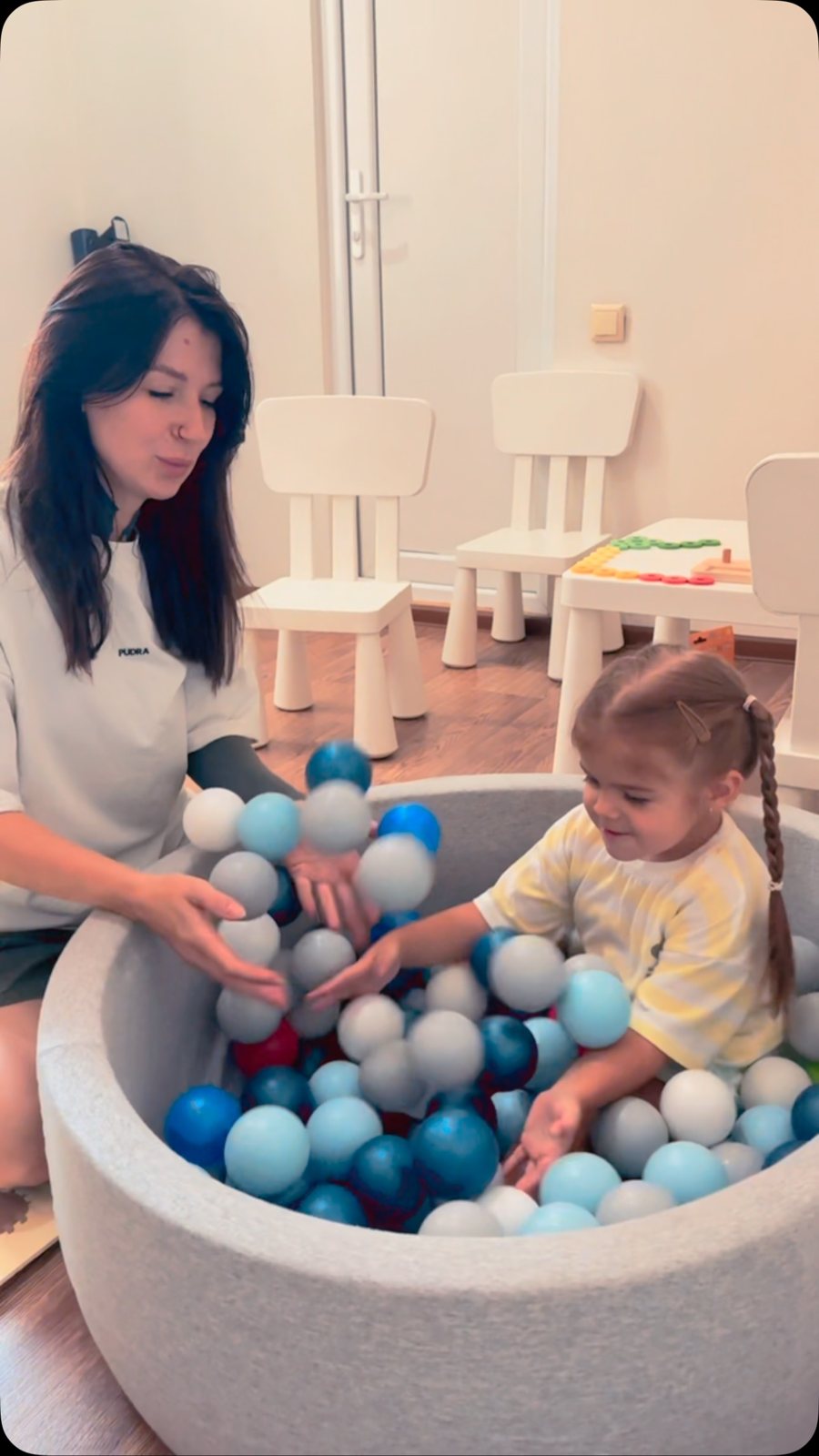
We work with children with ASD, speech delay, speech and developmental delay, developmental delay, ADHD, and behavioral and learning difficulties.
"Shared Goals"
Each specialist works in their own area, but the goals are shared by everyone, so skills carry over from the therapy room into real life.
Speech
Starting speech, comprehension, phrases, sounds
Communication and behavior
Requesting, social skills, independence, learning behavior
Body
Motor planning, coordination, strength
Group
Carrying skills over to peers, kindergarten and school
Price of the "Shared Goals" program: to be confirmed
Services
 Behavior and skills
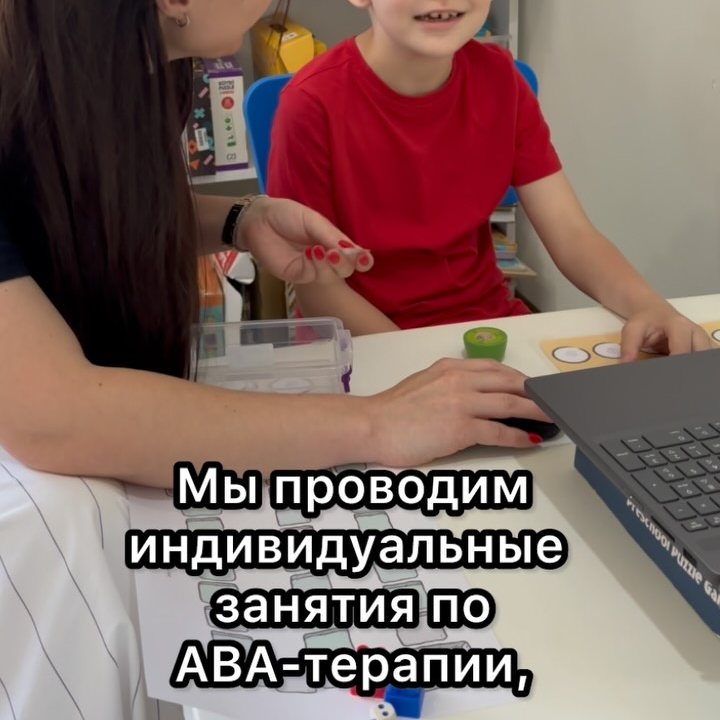
ABA therapy
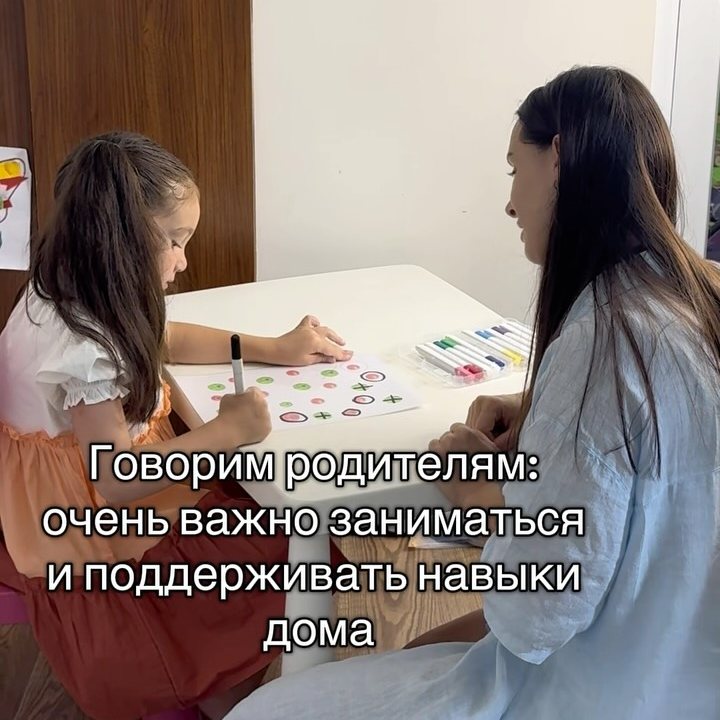
ABA is not just about behavior: first and foremost, we teach skills. It is an evidence-based teaching method built on motivation and reinforcement that takes the child's own interests into account.
- ask using words, gestures or picture cards, say no, call for help, get attention
- name objects and actions, answer questions, build phrases
- reason from a verbal description: for example, solve a riddle from clues
 Speech
Speech therapist and special educator
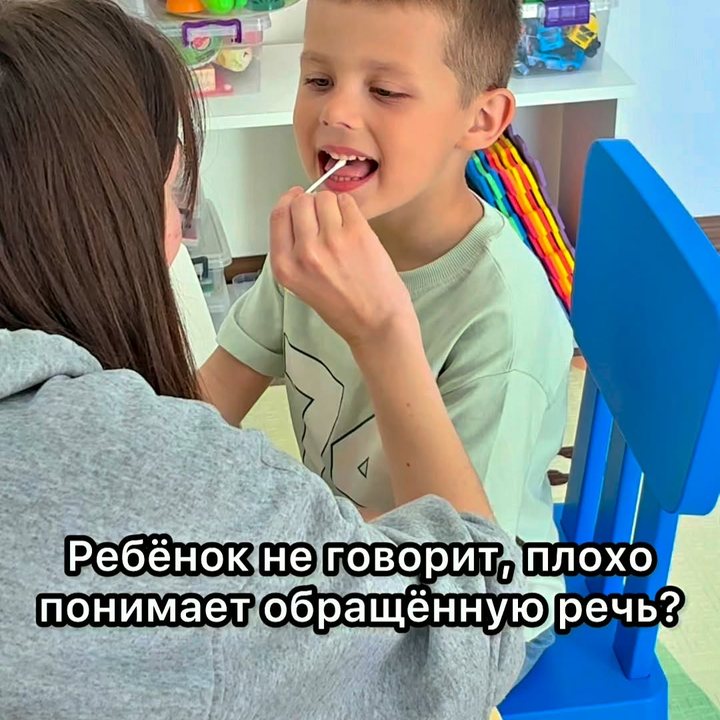
A speech therapist works on much more than sounds: understanding speech, vocabulary, phrases, grammar, connected speech, speech breathing and getting speech started. It is better to come early rather than wait until the difficulties become obvious.
- we develop speech comprehension and vocabulary, and teach the child to build phrases and tell a story coherently
- we work on grammar: correct word forms and agreement
- we get speech started, establish sounds and reinforce them first in words and sentences, then in spontaneous speech
 Speech
Starting speech and sound correction
Speech onset sessions are for children who are just beginning to talk or whose speech is developing with difficulty. Sound correction is for children who need to fix their pronunciation so their speech becomes clear.
- we teach the child to ask with a gesture, a sound, a word and, if needed, a PECS card
- we build communication from several supports: gesture, looking toward the adult, word
- we develop auditory attention, imitation and a sense of rhythm, for example on a light-and-sound panel
 Movement
Adaptive PE
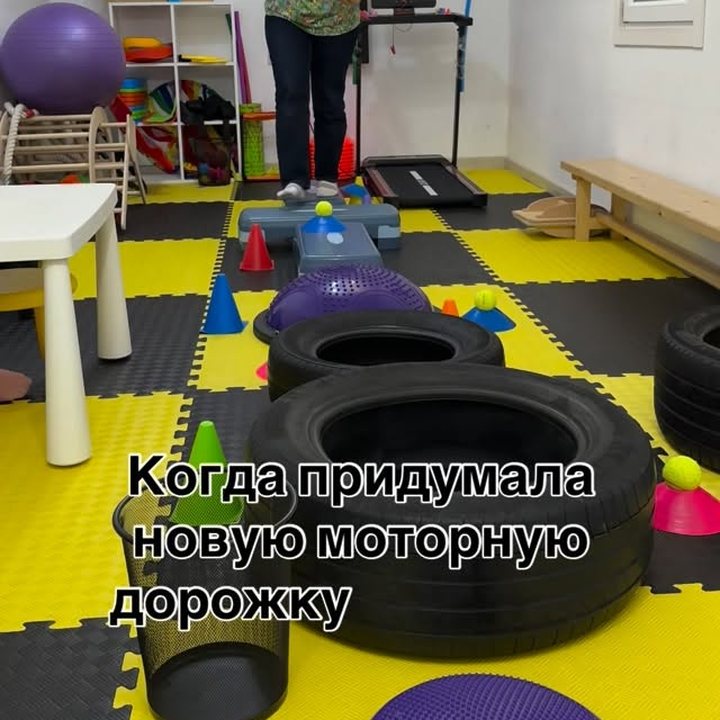
We develop motor skills and coordination, strengthen muscles and correct posture. We tailor the program to each child: their condition, abilities and goals.
- we develop motor skills and coordination
- we strengthen muscles and work on strength and endurance
- we correct posture
 Movement
Sensory integration
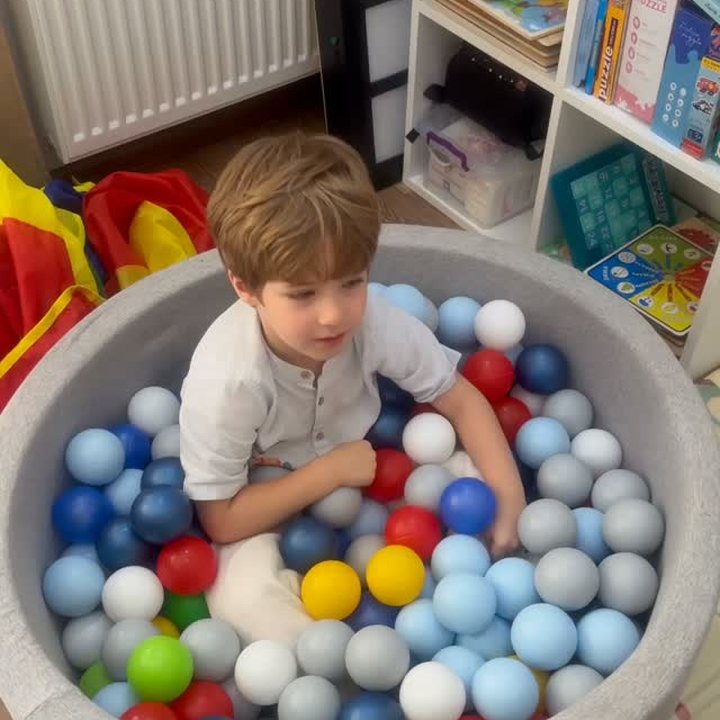
We help children calm down and handle sensations more easily. Everything is done through play, so the child engages more easily.
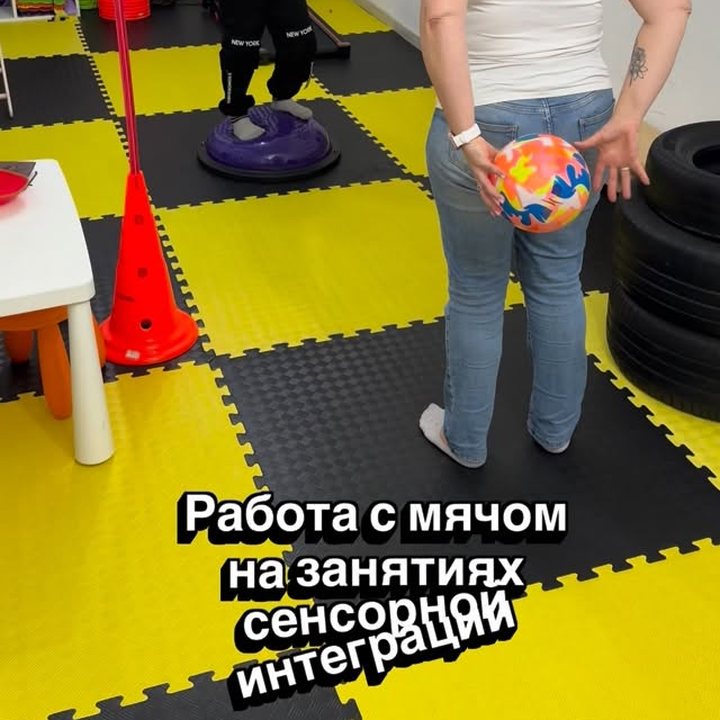
- we work with a ball: catching, rolling, throwing. This helps the child feel their body better, learn to adjust their strength, keep balance and follow hand movements with their eyes
- we play sensory-social games: they develop joint attention, waiting for a turn, asking, responding to their name
- we help the child calm down and handle sensations more easily
 Movement
Neurogymnastics
Exercises that connect the two hemispheres of the brain, for children who find learning hard. When the left and right hemispheres work well together, it is easier for the child to process information and learn.
- we do exercises that connect the hemispheres: movements that require coordinating both sides of the body
- we train attention and coordination through movement
- we develop fine motor skills
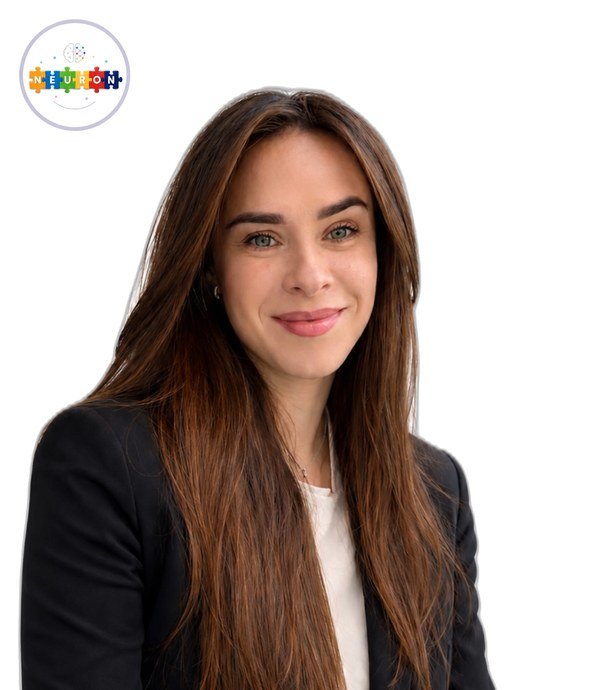
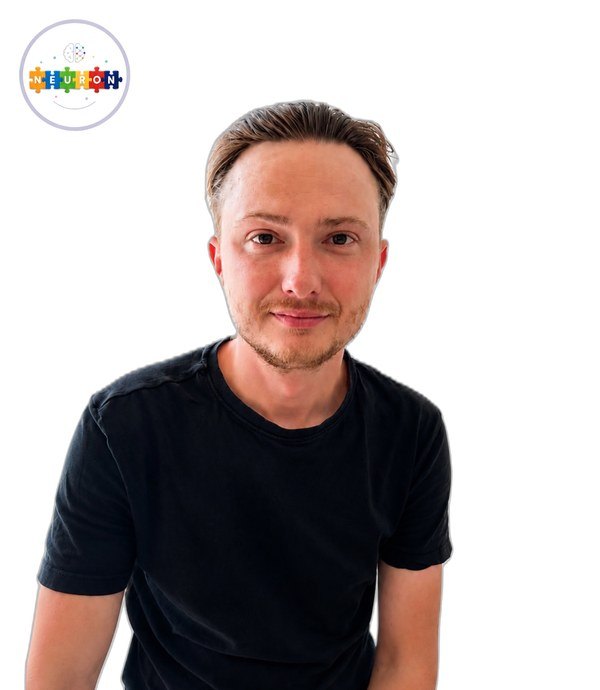
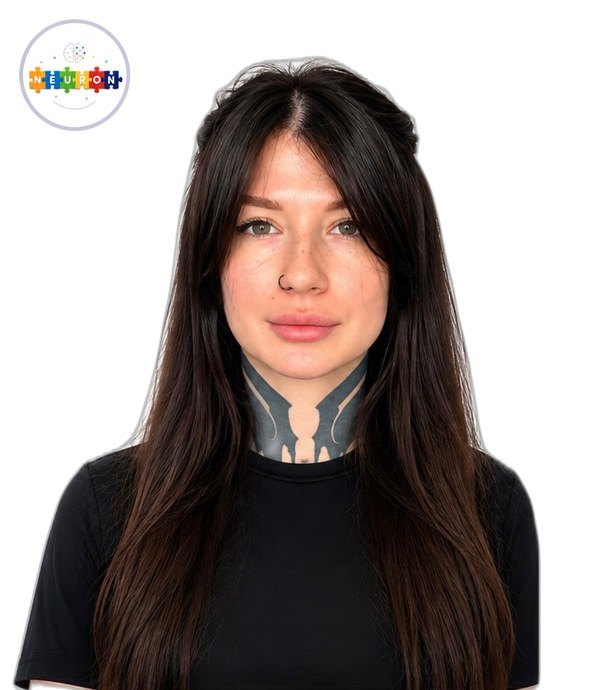
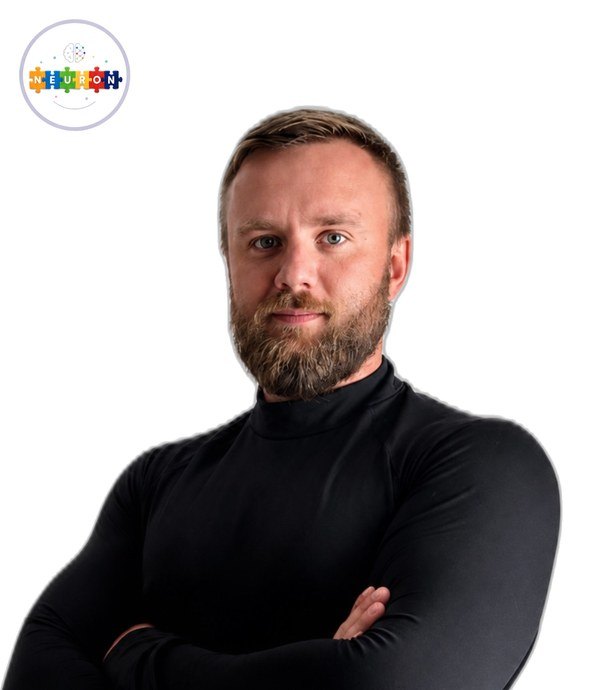
Who works with your child

What parents say
Translation: I want to say that thanks to your help, children can adapt gently to school and kindergarten. You find the right approach, show tremendous patience and give confidence. Your professionalism and sensitivity bring good results. Well done! You are the best ❤️@nelia.6705, Instagram, 20.08.2026
Translation: The best center in Batumi. You are doing a great job, you have created very good programs for children. I wish you success in your work!!! You are awesome@artyshcheva, Instagram, 04.02.2026
Translation: Happy birthday to your wonderful center! You are awesome specialists! The kids really enjoy working with you. Thank you so much for your help... ❤️ We wish your center every success!@zhabskaya_ekaterina, Instagram, 12.02.2025
Good to know
Your 1–2 year old isn't saying much: what parents should look for
When a toddler hardly talks, parents usually count words. Our center's specialists suggest looking at the bigger picture: how your child asks for things, refuses, points things out and understands speech. Here is a list of signs from the center's practice, and when it is time to book a consultation.
- Look not only at the number of words, but at how your child communicates: asks, refuses, points things out, understands speech.
- Milestones for 1–2 years: responding to their name, pointing, sound imitations, understanding simple requests.
- Gesture, gaze and words work together. Eye contact is never forced.
- If a child does not use speech to communicate by age 3, it is a reason for a consultation. The earlier, the better.
Myths about ABA therapy: "dog training", "doing it for candy" and other parent fears
There are many concerns around ABA. In this article we look at six popular myths and the question of reinforcement, the way the specialists at the Neuron center explain them.
- ABA teaches skills: speech, play, self-care, communication. Behavior correction is only part of the work.
- It is not "dog training" and not just a table with cards: there is lots of play and learning in everyday life.
- Candy may only be used at the start. Later, rewards become natural: play, praise, attention.
- There is no punishment, the work is built on rewards. There are no quick guarantees either: every child progresses at their own pace.
Why therapy should continue at home
A skill that only works in the therapy room is not yet a real skill. Here is how the center teaches parents to carry skills over into everyday life, and why you don't need to turn your home into a therapy room to do it.
- A skill is consolidated when it is practiced at home, in shops, at kindergarten, not only in the therapy room.
- Practicing at home doesn't mean an hour at the table: tasks are built into everyday life.
- Parents are taught ABA tools so they know what to do, how and why.
- Progress is visible in the child's online account: daily results and progress over time.