Who it is for
- your child does not speak, or speaks but cannot ask for what they need
- has difficulty understanding what is said to them
- frequent screaming, meltdowns and protests; the child leaves the session or throws things
- finds it hard to focus on tasks, play and interact with other children
- finds it hard to hold back: grabs what they want right away, hits when angry, does not stop when an adult asks
We work with children with ASD, speech delay, speech and developmental delay, ADHD and other developmental differences.
What we do in sessions
- ask using words, gestures or picture cards, say no, call for help, get attention
- name objects and actions, answer questions, build phrases
- reason from a verbal description: for example, solve a riddle from clues
- imitate an adult's actions
- play, take care of themselves, get ready for school: counting, reading, writing
- keep self-control: wait, stop when given an instruction, keep doing their task even when something very tempting is nearby
We introduce new concepts through what the child finds interesting. For example, we teach "loud" and "quiet" on a light-and-sound panel: speak quietly and the bottom cells light up, speak loudly and the light rises all the way to the top.
We address challenging behavior using Greg Hanley's approach (Practical Functional Assessment and Skill-Based Treatment). First we figure out why the child screams or runs away, and then we teach them an easier way to say what they need.
What a session looks like and the role of parents
We start with connection, not demands. The adult becomes part of a fun game, and the child starts reaching out to them on their own. Next, predictability matters: the child should understand what the task is, how long it lasts, what comes after and how to get a break. Once this is clear, anxiety and protests usually decrease.
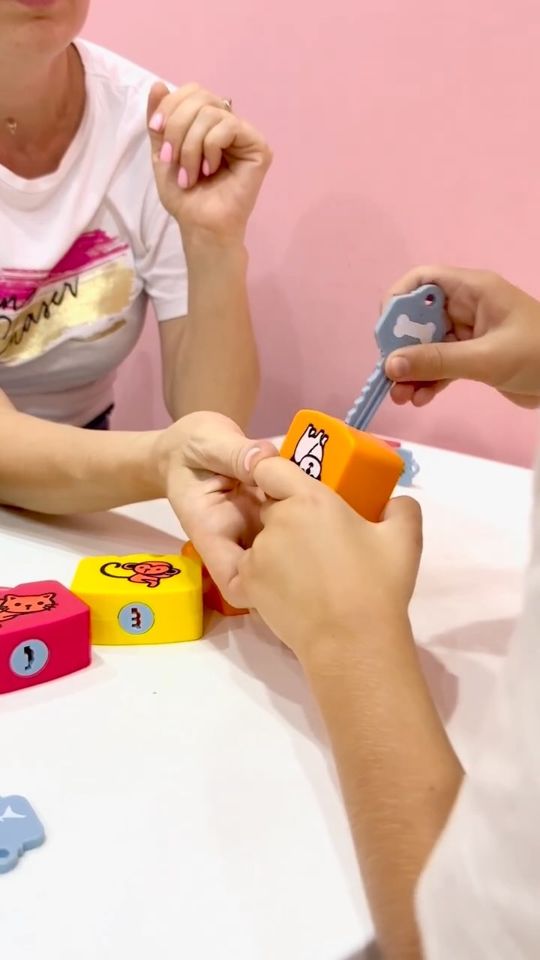
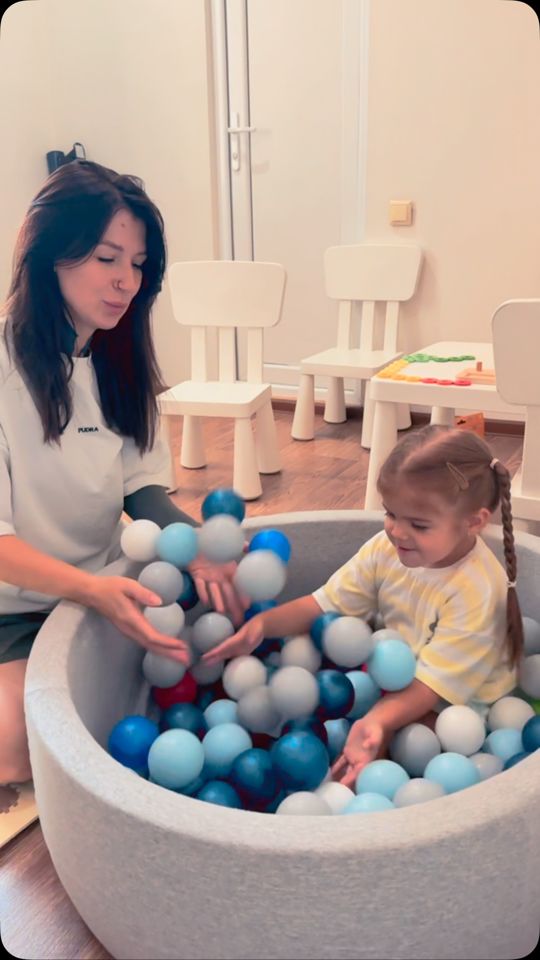
Sessions are not just about sitting at a table with cards: a lot of learning happens through play and in natural settings. We create an individual program with its own goals for each child.
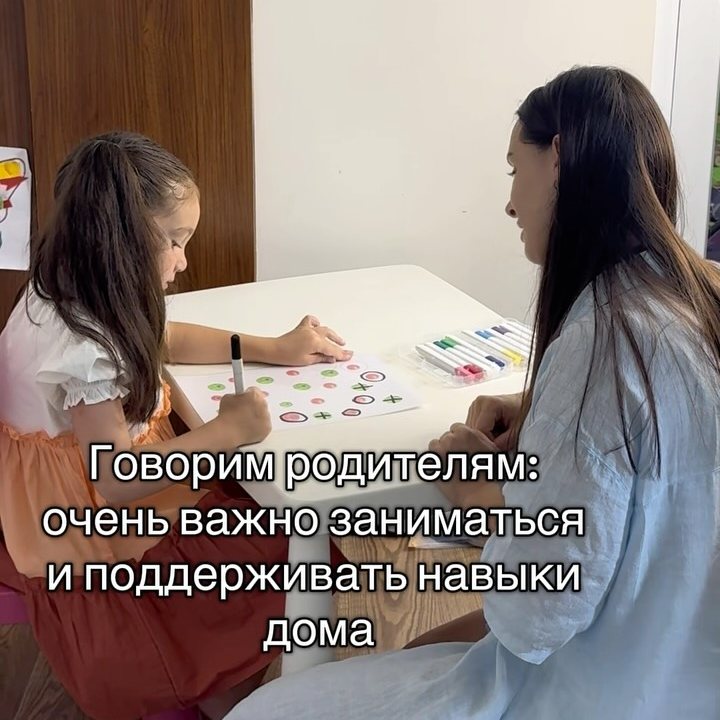
Parents are full participants. We show you how to use the same techniques at home, on walks, in the store and at kindergarten. An example from our practice: practicing self-control at home, where the child is told the condition, a timer is set and the family goes on with their usual routine. We tailor the interval, the demands and the reward to each child.
Parent reviews
Translation: Watching it again and smiling ❤️ thank you@ramina_vs, Instagram, 11.06.2026
Translation: The best specialist@artyshcheva, Instagram, 18.03.2026
Translation: Super@nelia.6705, Instagram, 20.07.2026
Translation: What fun sessions you have!@ptitsina1, Instagram, 18.04.2024
FAQ
Is ABA a kind of training, like training an animal?
No. It is an evidence-based teaching method built on motivation and reinforcement that takes the child's own interests into account. The goal is not to make the child "convenient", but to help them become easier for others to understand and more independent.
Do you use punishment?
No. We rely on positive reinforcement, which means we reward the behavior we want to see. We do not use harsh methods.
So will my child do everything just for a candy?
At the start, yes: we use whatever the child truly values right now. Once a skill is established, we gradually move to more natural rewards: play, attention, praise.
How soon will we see results?
We will not promise timelines. Every child progresses at their own pace, depending on how often they attend, the child's individual needs and how involved the family is.
Who develops speech: the speech therapist or the ABA specialist?
Both, each in their own area. The question is not who is better, but what difficulties your child has and what kind of help they need right now.
Photos from sessions
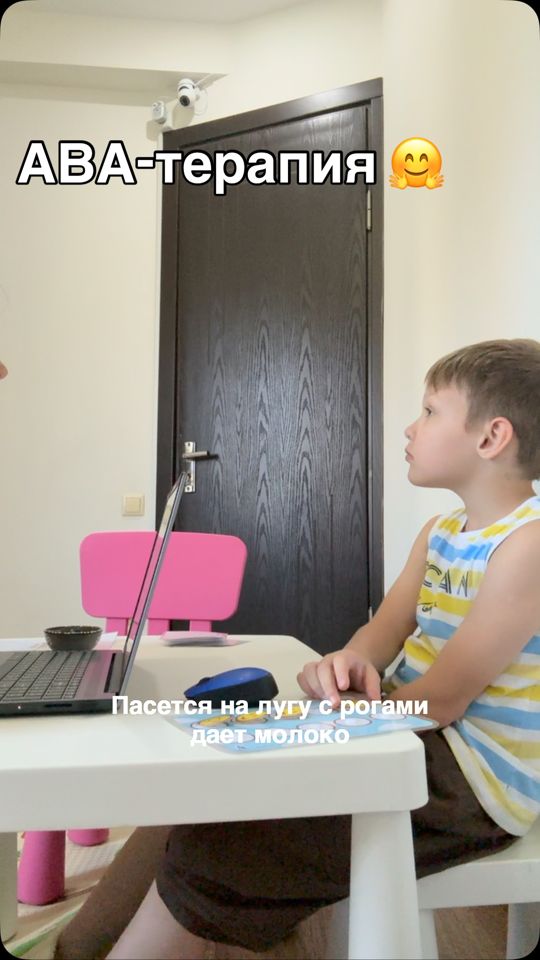
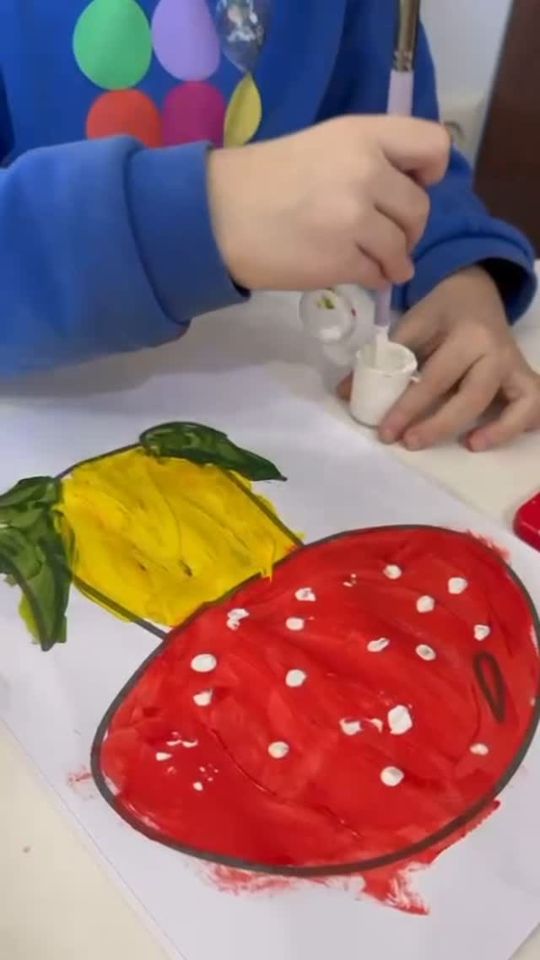
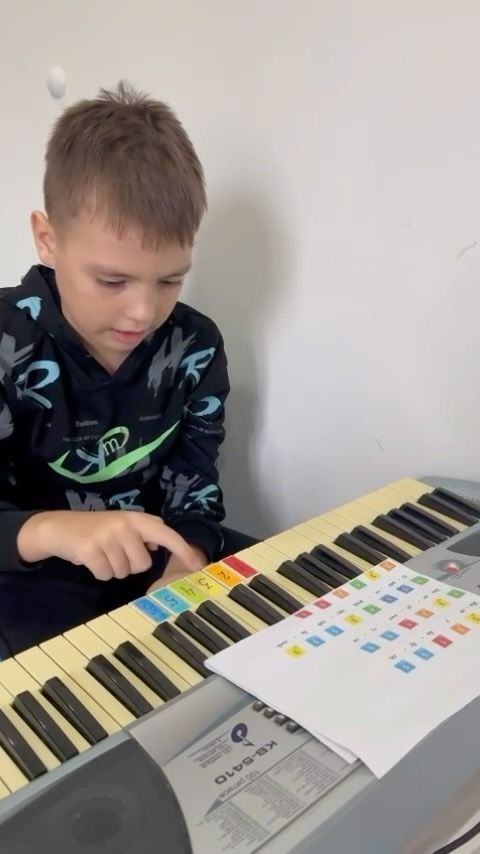
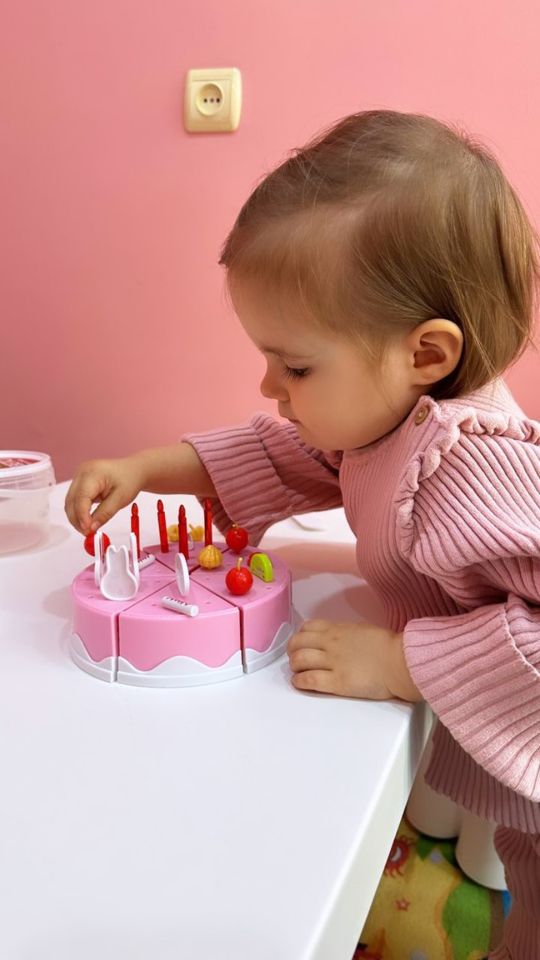
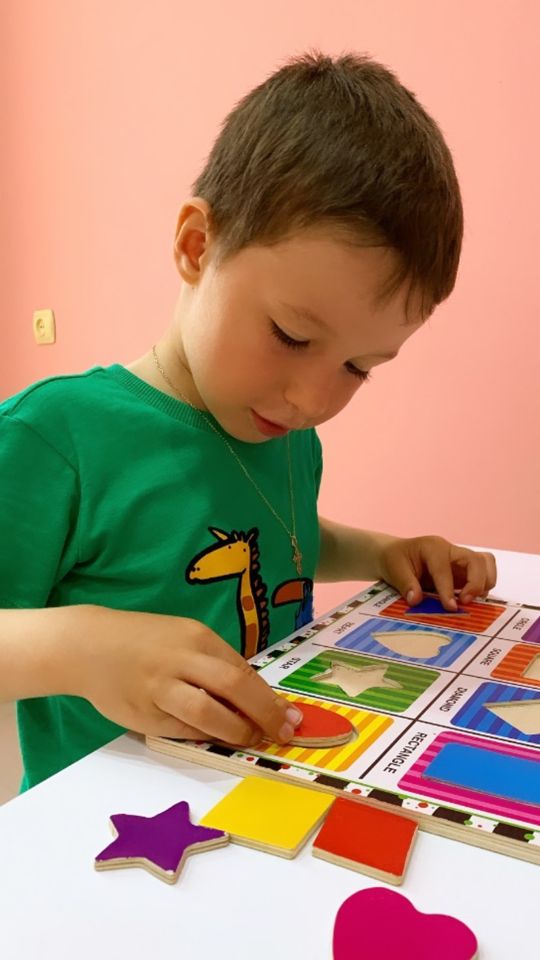
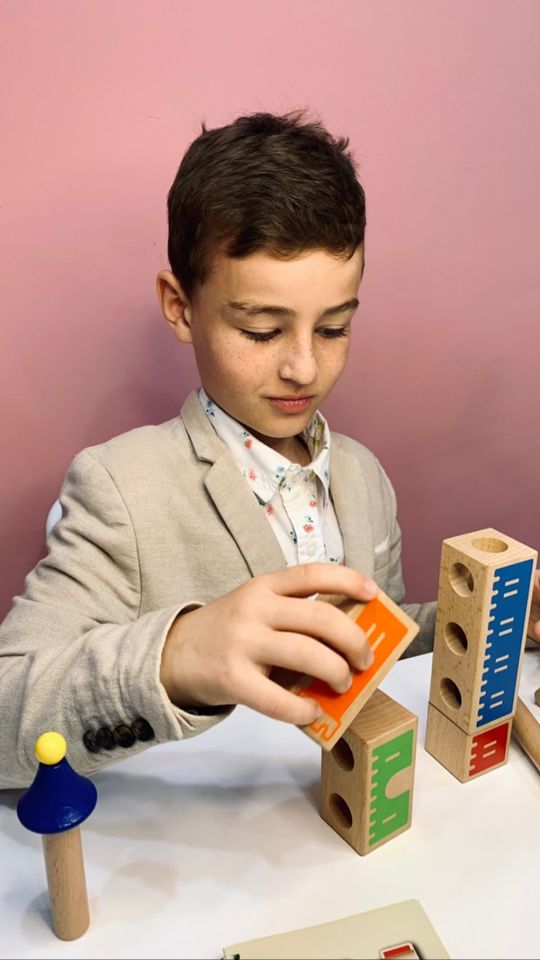
Videos and photos from sessions
The center's videos on Instagram.