Who it is for
- does not respond to their name and does not turn to an adult when they need something
- does not point and does not share things they find interesting
- cannot ask for something or refuse it with a gesture, a sound or a word
- does not repeat "beep-beep", "meow", "yum"
- does not understand a simple "give me" or "come here", does not imitate an adult's movements
If your child is 1 to 2 years old, look beyond the number of words: the signs above are worth paying attention to. It also happens that a child has words but cannot use them to ask for something, repeats phrases from cartoons or gets lost when the object they want is not in sight. Sound correction is for children who need to fix their pronunciation so their speech becomes clear.
What we do in sessions
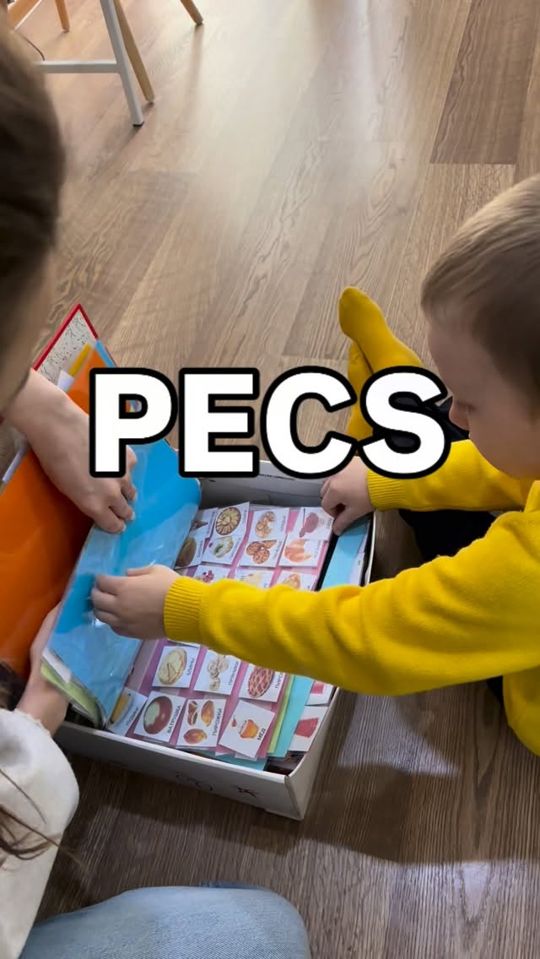
- we teach the child to ask with a gesture, a sound, a word and, if needed, a PECS card
- we build communication from several supports: gesture, looking toward the adult, word
- we develop auditory attention, imitation and a sense of rhythm, for example on a light-and-sound panel
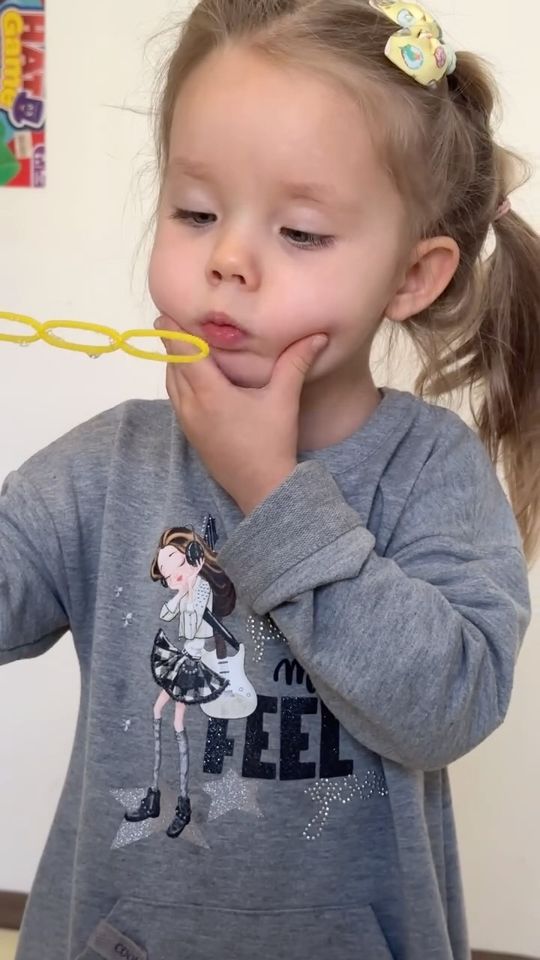
- we train speech exhalation: bubbles, a candle, a light ball, making sure the cheeks do not puff out
- we establish sounds and make them automatic: in syllables, in sentences, then in spontaneous speech (using the "sh" sound as an example)
- we develop phonemic awareness
What a session looks like and the role of parents
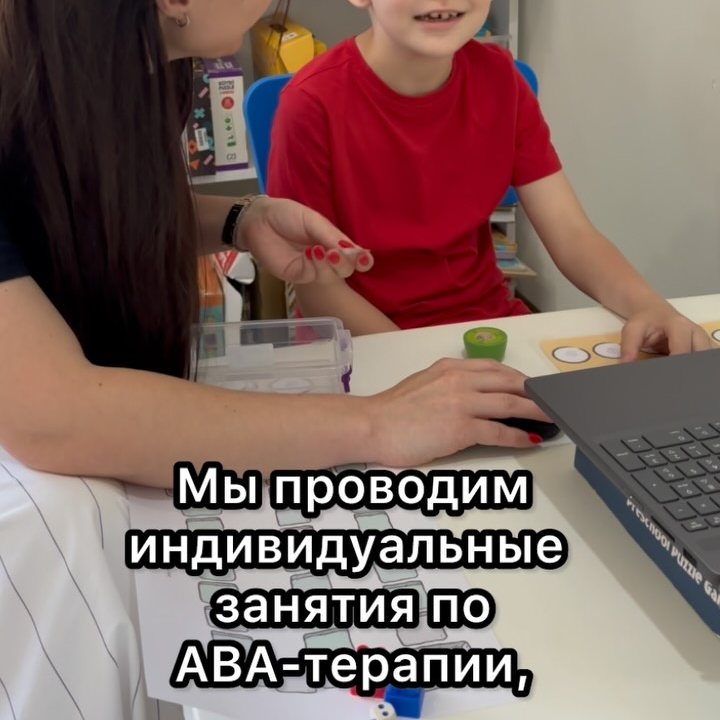
We build each session around the child's interests: toys, learning materials, games. We encourage eye contact but never force it: for children with ASD, direct eye contact can be overwhelming. Some exercises are easy to repeat at home, and we have videos showing how to work on sounds together with your child.
Parent reviews
FAQ
My child is a year and a half and has few words. What should I look for?
Look at communication as a whole: how the child asks for things, refuses, points, understands simple requests, plays with an adult and notices other children. This matters just as much as the number of words.
My child makes eye contact but does not point. Do we need to teach the gesture?
Yes. A look alone is often not enough, and the adult does not understand what the child wants. The more ways to communicate (gesture, look, word or card), the easier it is to understand the child.
My child already talks. Why would they need cards?
Sometimes a child has speech but does not know how to use it to ask for things. We had a case where a child first asked using pictures and then started building sentences with words on their own. We choose the approach individually every time.
Can we practice at home?
Yes. For example, you can train exhalation with soap bubbles or a candle. The specialist will suggest what suits your child.
Photos from sessions
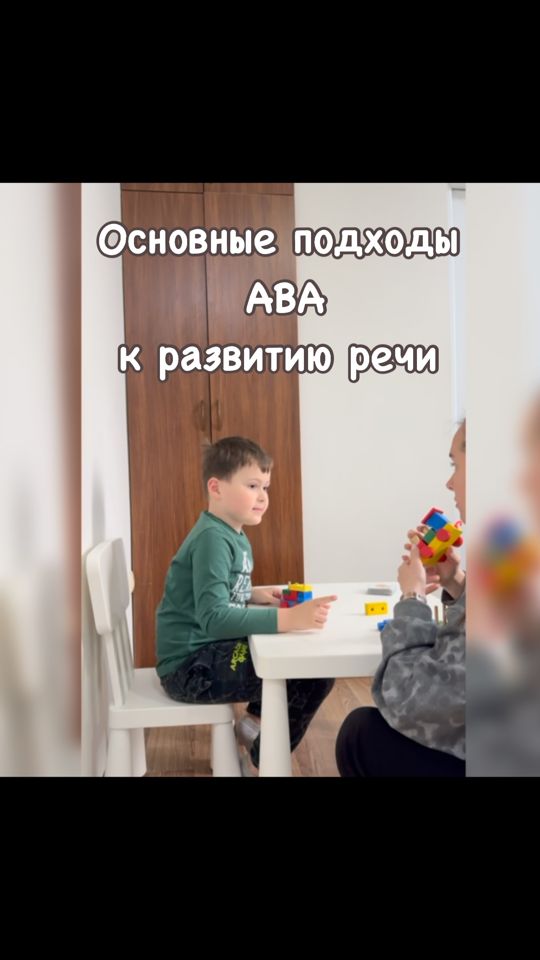
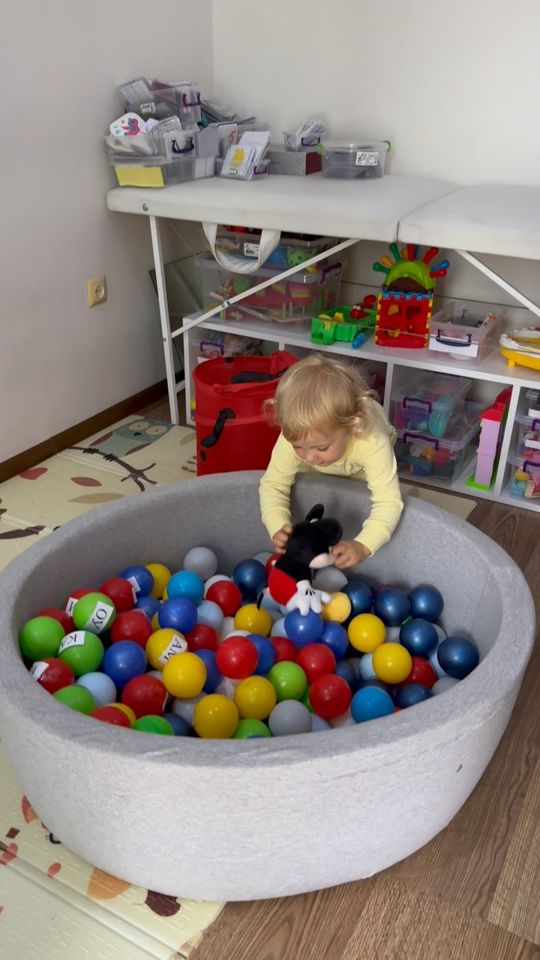
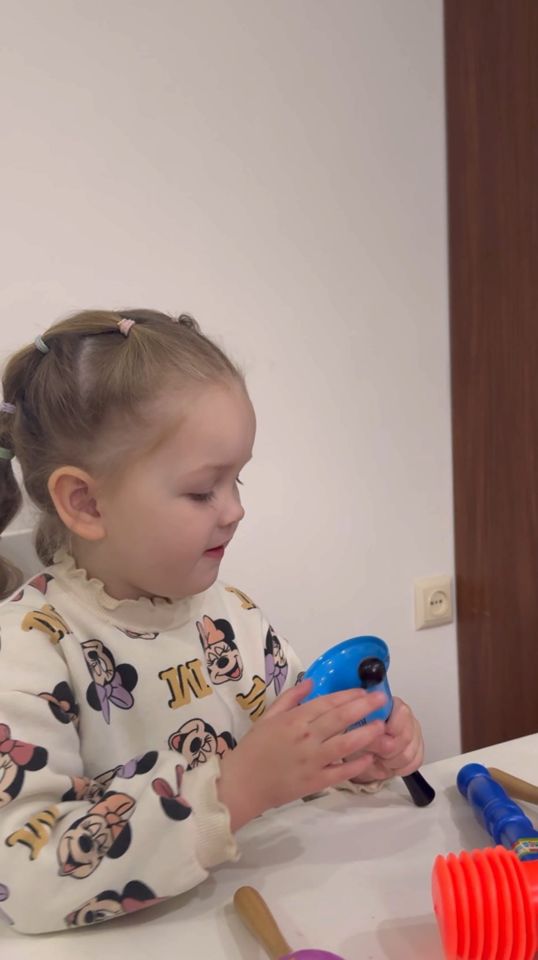
Videos and photos from sessions
The center's videos on Instagram.