
Who it is for
- little ones from 1.5 years and their parents
- families who already see difficulties
- families who want to support early development and prevent speech problems in good time
Parents often come when the child is already 4 or 5, but there is no need to wait that long. It is worth coming earlier if your 1 to 2-year-old does not respond to their name, does not point, does not call an adult when they need something, does not repeat simple sounds like "beep-beep" and "meow", does not imitate movements or does not play with toys as intended.
What we do in sessions
- joint attention, when the child and the adult look at the same thing
- responding to their name
- asking for things and waiting for their turn in play
- imitation and simple play with an adult
What a session looks like and the role of parents
The course is based on the Early Start Denver Model (ESDM), which builds on ABA principles. We develop skills through what interests the little one and through sensory-social games with an adult.
Sessions are entirely play-based: through the child's interests and interaction with an adult.
Parent reviews
FAQ
From what age can we start?
From 1.5 years.
Is ABA suitable for such young children?
Yes. There are special approaches for little ones, including ESDM, and sessions are play-based.
My child has no obvious problems. Is it worth it?
Yes, the course is also suitable for preventing speech difficulties and supporting early development.
What should I watch for at home at 1 to 2 years?
Not just the number of words, but communication as a whole: how the child asks for things, refuses, points, understands simple requests, plays with an adult and notices other children.
Photos from sessions
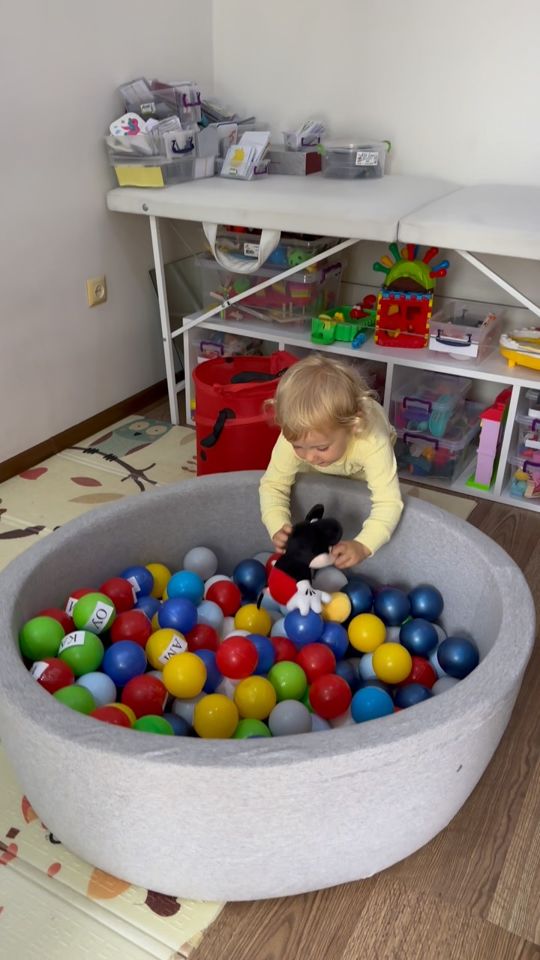
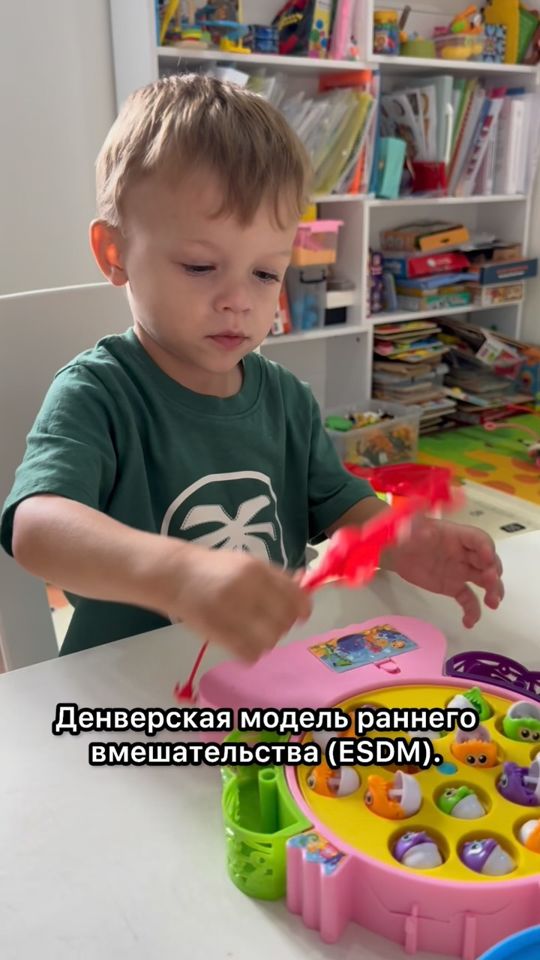
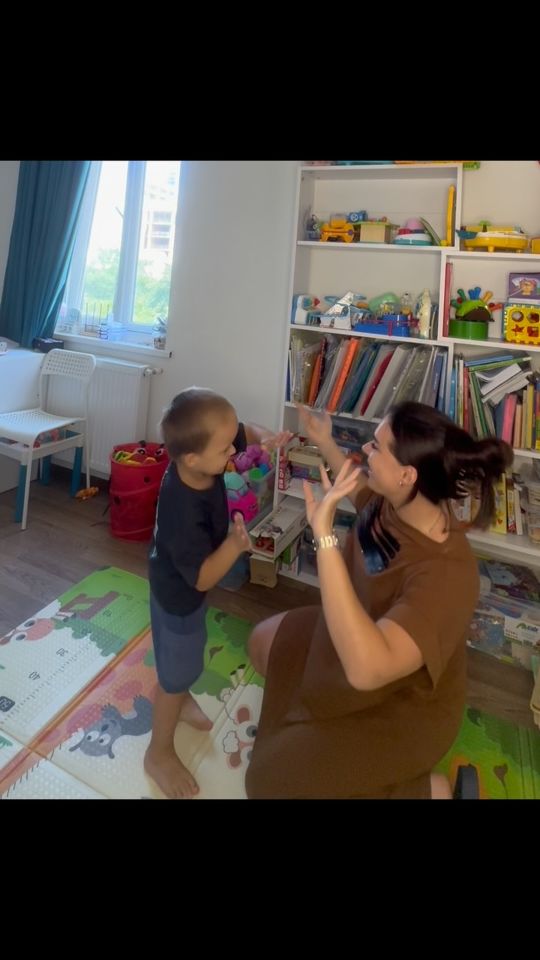
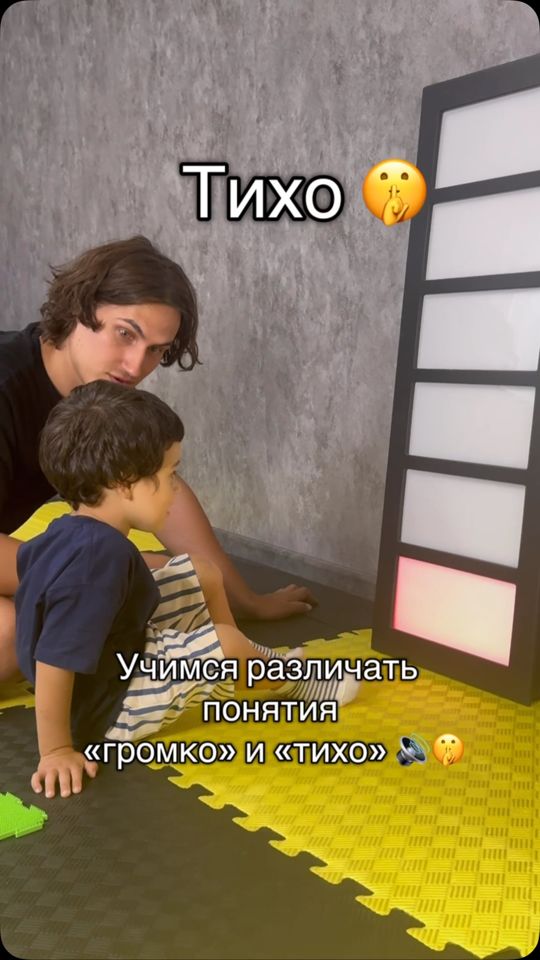
Videos and photos from sessions
The center's videos on Instagram.